
Telling the time is certainly much easier than finding the time. Life moves at a steady parsec click, indifferent to the rise and fall of monarchies. We might measure by tasks rolled into the day, step out of time but it will always catch up you up in the end.
Step back a few centuries and you might wonder what’s the flipping point in knowing the time of day at all. Meaningless hands on a clock face, when you’ve got no luncheon appointment to run for.
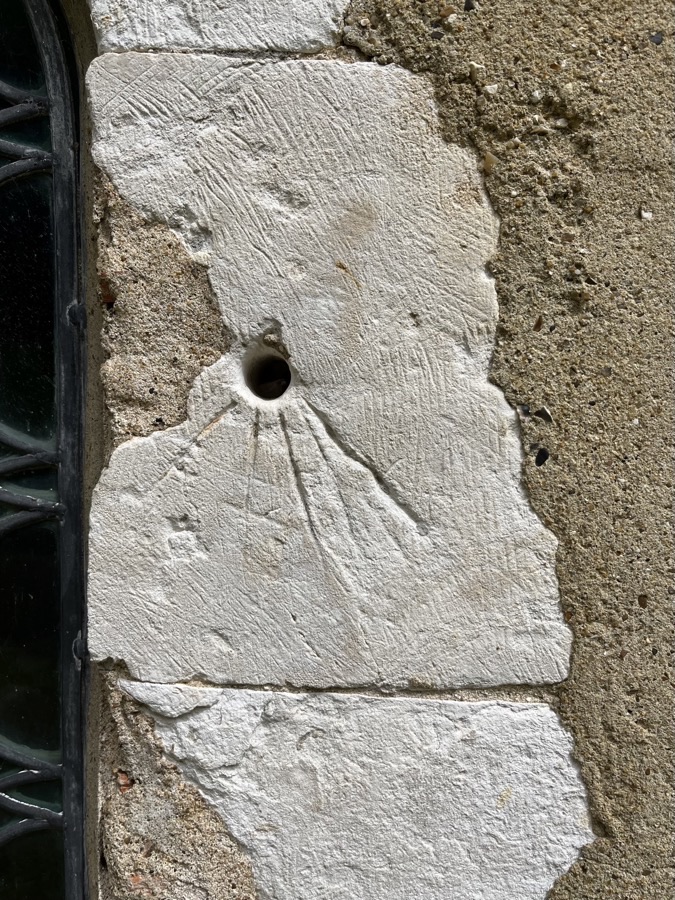
This rock cut hole, with attached scratches at Compton’s Surrey, once told the worshippers just when the priest would appear and deliver up another scripted sentence. All that was required, a straight stick and a little light.
All well and so simple, but when the sun snuck behind a cloud, there was no chance of telling the difference between 12 and 2.
When the sun hides behind a cloud, there was no chance of telling the difference between 12 and 2.
For most, apart from the monastic world, before the advent of the satanic cotton mill and smoky factory, there just wasn’t the need for hours. It all started at sunrise and ceased at sundown, and who the hell cared about the in-between.
Business boomed for clock makers in the 19c and hasn’t let up since.
Recently, I sauntered through dusty old Harrods, headed to the inner sanctum of its watch department. There, under harsh electric light and close circuit television, a buff team of well dressed guards adorned each brand in a booth.
High figures change hands for wrist jewellery. Telling the time never looked so profitable.
I made my exit before being rumbled as a casual onlooker. Time it turns out, is like the universe, cold.
St Nicholas Church, Compton.